
Cyberbranchaea - Optimal Foraging Simulation


To test the capacity of the neural network model for cost-benefit decision-making, we constructed both an analog circuit and an animated computational simulation. The analog circuit (FIGURE 1) is designed to show the interactions of the three variables hunger, taste and pain in the decision to express feeding attack vs. avoidance. The variables are adjusted with potentiometer knobs and decision is expressed in lights representing the alternative behaviors. The lights might just as well be sub-circuits driving robotic grasping, turning and locomotion. Following the idea of optimal foraging, we made an interactive, animated computational simulation incorporating simple perceptron learning abilities into the neural network model (FIGURE 2). Perceptron learning is biologically arguable, but works well in this particular instance to illustrate the function of associative learning. The resulting virtual predator learns by experience to discriminate odor signatures of prey on the basis of nutrient value and noxious defense ability. The simulation copies Pleurobranchaea in ability to learn odor discriminations. The human player is able to design and place various prey with different odors, nutrient value, and defense.

The virtual predator exhibits behavior generally appropriate to optimal foraging strategy, in that it comes to preferentially attack and eat high-nutrient, low-defense prey. However, feeding incentive changes with satiated state, and when quite hungry the predator attacks low-nutrient, high defense prey; when satiated it actively avoids prey. That is, it adaptively integrates sensation, internal state and experience. We were interested to find one unexpected prediction coming out of the actions in the virtual ecosystem: introduction of a nutritive, low-defense Batesian mimic of a highly noxious prey item demonstrated protection of the mimic as expected; however, the presence of the mimic caused higher incidence of attempted predation on the noxious prey as the predator found that not all were noxious - reasonable in hindsight! Although lacking sophisticated detail of predator/prey interactions, the simulation reproduces major characters. Eventually, the principles we have outlined might be applied to construction of intelligent artificial entities with goal-directed behavior and flexible cost-benefit decision making capacities.

FIGURE 1. This simple analog computer uses voltage levels to simulate stimuli strength and the feeding or avoidance responses. Potentiometers can be set to desired levels of virtual hunger, pain, and food-scent. One observes lamp brightness corresponding to feeding or avoidance behavior. The circuit behaves qualitatively like Pleurobranchaea, with proper handling of behavior throughout the hunger continuum.

CLICK ON FIGURE TO ENLARGE

Home

Back to models

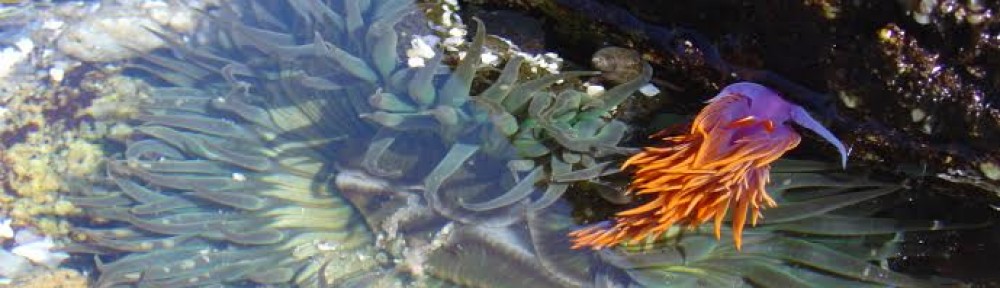
FIGURE 2. An animated model reproduces aspects of optimal foraging decisions. Prey are created with specific nutritional and defensive qualities, given specific odors, and placed in the field. Predator hunger increases with time between feeding. The predator's hedonic evaluation of odors may be inspected at any time by clicking the odor. The predator and prey are shrunken images of Pleurobranchaea and its noxious real prey, Flabellina sp.

RUNNING INSTRUCTIONS (RUNS ON WIN 98, NT WIN)

CLICK TO ENLARGE

CLICK TO DOWNLOAD

Home

Back to models